Latest News Feed

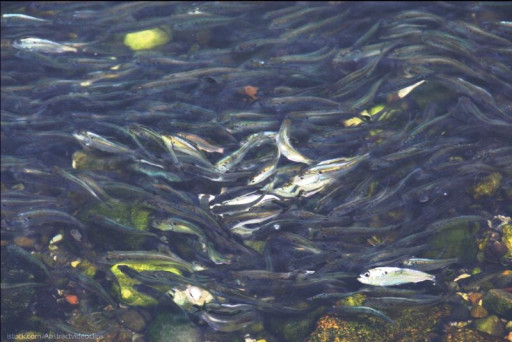
For Fourth Consecutive Year, Menhaden Abundance Exceeds Every Annual Survey Reading From 1992 Through 2022

Menhaden Fisheries Coalition warns proposed restrictions could threaten hundreds of jobs held by rural Virginia's largely minority, unionized menhaden workforce

Article Repeats Unproven Claims Without Explaining Where They Exceed the Scientific and Regulatory Record

Economic Compassion for Anglers, A Cold Shoulder for Union Watermen
ASMFC decision to return Draft Addendum II for further development is responsible due diligence
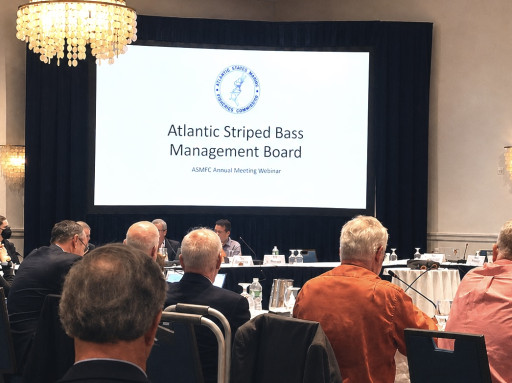
The Board Discussions at the ASMFC 2025 Annual Meeting Show the Commission Gave Greater Practical Weight to Charter, Recreational and Service-Economy Impacts in Their Striped Bass Debate Than to Union Workers and Working Families in the Menhaden Industry

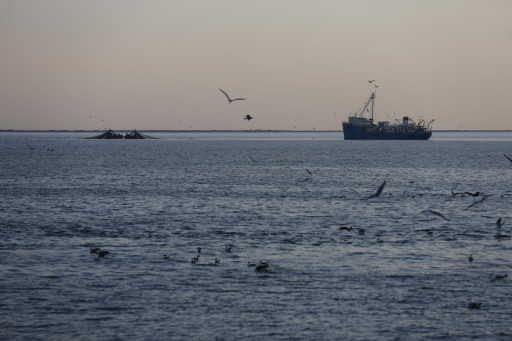


Louisiana native Ben Landry of Ocean Harvesters tells listeners buffer plan can protect jobs, reduce conflict, and keep Louisiana a Sportsman's Paradise
They provided risk projections for managers to choose, the chosen 20% TAC reduction yields 0% probability of overfishing
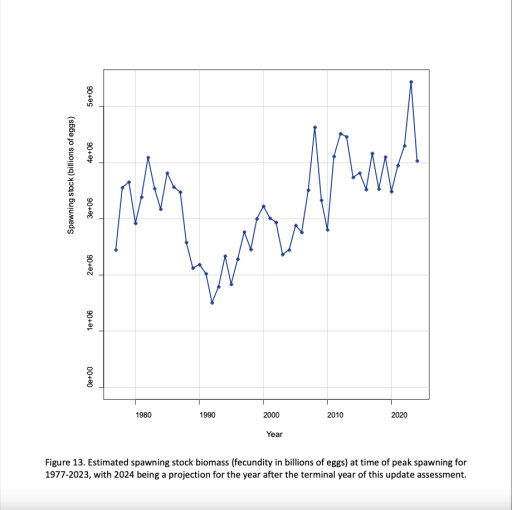
Under the 2020 ERP definitions, Atlantic menhaden are not overfished and overfishing is not occurring. For 2023, fecundity is on the order of 1.2 quadrillion eggs (above the ERP fecundity threshold but below the target) and fishing mortality is about 0.26 (above the ERP F-target but still below the ERP F-threshold). The overview also makes clear there is no single "right" ERP; selecting ERP targets and thresholds is a management choice that balances objectives for menhaden and their predators.
The 2025 single-species update applied a lower estimate of natural mortality (M). That change lowers the back-calculated biomass, fecundity, and recruitment across the time series and raises the corresponding fishing mortality (F) estimates, even though the underlying population did not suddenly decline. Because of the revised M, the 2025 assessment's long-term average biomass is about a third lower than the 2022 update's average; this reflects an improved understanding of the stock rather than a real-time drop in the stock itself.
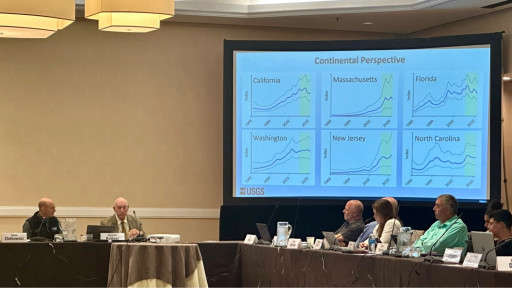
The 2025 update shows that the biomass of age-1+ menhaden is just below its 20-year average but has been trending up since 2021.
Adult abundance in 2023 was 14.8 billion age-1+ fish, above the average of the past 20 years.
Recruitment in 2023 was 44.5 billion age-0 fish, above the average of the past 20 years.
Coalition supports new SCEMFIS-funded research roadmap to develop ecological foundation for Bay management; regulators' statements confirm current cap not based on science
SUMMARY: The Maryland DNR's 2025 survey confirms Atlantic menhaden in the Chesapeake Bay are "widespread for the third consecutive year." This reinforces last year's finding that juvenile menhaden were at their highest levels since 1990 and directly contradicts claims from the same agency that menhaden are absent from Maryland waters.

Letter from Veteran Biologist Addresses Scientific Questions Over Osprey Declines
Comprehensive Louisiana-funded study finds menhaden harvesters account for just 3.4% of red drum removals, with 96.6% from recreational sector

Special interest group uses blatant falsehoods rather than facts
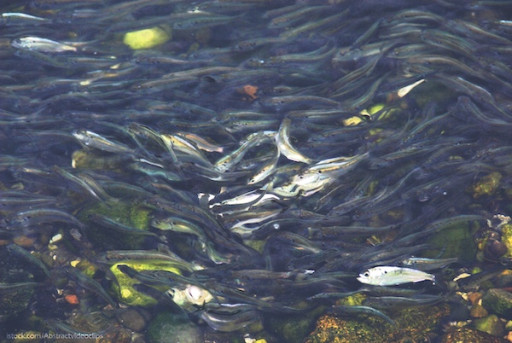
Federal agency finds complex ecological causes behind osprey trends, not single-species blame

Latest Assessment Finds No Overfishing, Nor is Stock Overfished
The following was released by the Menhaden Fisheries Coalition and the Virginia Waterman's Association: